Erkki Liikanen prepared remarks in Tokyo, Japan
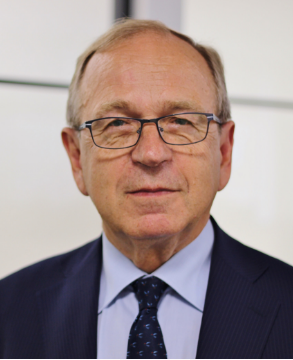
EL東京 2025年12月
本日は、アジア訪問の最初の地である東京で、皆様とご一緒することができ、大変光栄に存じます。明日は北京へ向かう予定です。会計専門家は私たちにとって重要なパートナーであり、私たちの提案に対してご意見をいただき、基準が意図したとおりに、そしてグローバルに一貫して適用されることを確保してくれています。皆様のご貢献には、深く感謝申し上げます。
本日の議論を始めるにあたり、3つのテーマについて私の見解お伝えしたいと思います。第一に、日本及び日本のステークホルダーが財団の活動にとっていかに重要であるかという点です。皆様におかれましては、当財団の創設当初からご支援を賜っており、今後も皆様と共に活動することに全力を尽くす所存です。第二に、私たちの使命は変わらず、投資家の情報ニーズに応えることです。これは今後も変わることはありません。第三に、当財団で進行中の変革プログラムについてです。このプログラムにより、私たちは今後も長期にわたり、この重要な公益的使命を果たし続けることをお約束します。
それでは、それぞれの点について順にご説明します。
日本とIFRS財団
まず、日本についてです。短期思考が特徴の世界において、日本文化は長期的な投資と戦略的パートナーシップを重視しています。双方の関係 性こそがすべてです。
これは当財団を取り巻く世界においても同様です。あらゆる機会において、そして創設当初から、日本は常に私たちと共にありました。50年以上前、日本公認会計士協会は、後にIFRS財団となる前身組織の創設メンバーでした。
2009年に、日本は国際会計基準審議会(IASB)が設定する国際財務報告基準(IFRS)の使用を認めました。この決定により、今や、東京証券取引所の時価総額の約半分を占める企業がIFRSを用いて報告を行っています。
国際サステナビリティ基準審議会(ISSB)の発足時も、日本は再び先頭に立ち、日本のサステナビリティ開示の検討をISSB基準を基に行うことを決定し ました。また、日本は統合報告(Integrated Reporting)の最大の採用国の一つであり、これは現在の財団の資料群の一部となっています。さらに、日本は両審議会の活動に寛大な資金提供を行っています。長年にわたるご支援に深く感謝申し上げます。
もちろん、パートナーシップは双方のコミットメントがあって初めて成り立ちます。当財団は創設以来、日本のすべてのステークホルダーとの関与に全力を尽くしてきました。 日本のリーダーは、評議員、基準設定審議会の委員及び諮問機関の委員として活躍しています。当財団がアジア・オセアニア地域の拠点の設置を検討した際、日本が再び手を差し伸べてくれました。2012年以来、東京にオフィスを構えており、これは英国以外で唯一のIASBオフィスであり、現在は地域全体で両審議会の活動を支援しています。また、アジア・オセアニアオフィスは、中国をはじめ、発展途上国・新興経済国におけるISSB基準の普及促進と能力開発に貢献して いる北京のISSBオフィスとも緊密に連携しています。歴代のアジア・オセアニアオフィスのリーダーは重要な役割を果たしてきました。そしてこの度、オフィスリーダーとして鵜飼千恵氏を迎えることとなり、大変嬉しく思います。
これらの点は、日本が当財団にとっていかに重要であるかを強調するものです。日本のステークホルダーとの協力関係、そして東京オフィスへのコミットメントは揺るぎません。これは真の意味での長期的な戦略的パートナーシップです。私たちは長期にわたり皆様と共に歩みます。
投資家に対する財務的に重要な情報の提供
次に、当財団の使命についてです。創立以来、私たちは、世界の資本市場における投資家の情報ニーズを応える基準を開発することに注力してきました。
もちろん、こうした情報ニーズは時代とともに変化します。それに伴い、新たなビジネスモデルや投資家の情報ニーズに応えるため、私たちの基準も進化する必要があります。 過去20年以上にわたり、IFRSは、日本をはじめとするステークホルダーからのフィードバックを踏まえて改善されてきました。投資家が短期、中期、長期のサステナビリティ関連リスクと機会に関するより多くの情報を求めるようになったとき、当財団はこのニーズに応えるため、迅速に対応してきました。現在、日本を含む約40の法域が、ISSB基準の採用または利用をしています。
重要なのは、両審議会は意思決定において独立し、資金源も別々ですが、同一の使命を果たす点で一致しているということです。それは投資家にとって財務的に重要で、適切な範囲で、意思決定に有用な情報を提供することです。
この点については、今年9月にOECD会議で米国証券取引委員会(SEC)委員長が述べた見解と大きく一致しています。両審議会には安定した独立した資金源が必要であること、そして両基準の焦点は、世界の資本市場における投資家にとって意思決定に有用な財務的に重要な開示であるべきという点です。私たちはSECと良好な関係を維持し、今後も世界中のステークホルダーの利益のために協力を続けていきます。
私たちの使命は創立以来変わっておらず、今後も変わる理由はありません。
変革プログラム
最後に、当財団の変革プログラムについてです。どの組織も静的ではありません。変革は不可欠です。運営構造、リソース、非技術的な意思決定プロセスは進化し続ける必要があります。
当財団はこれまで大きな成功を収めてきましたが、急速な成長と組織変化の時期を経て、今が将来に向けた体制を整える適切な時期だと判断しました。ミシェル・マデラン事務局長の主導のもと、今年、内部構造と意思決定プロセスを再編し、効率性を高めるとともに、コストの見直しを実施しました。
このプログラムには、2028年末までに両審議会の理事を14名から10名に段階的に縮小する計画が含まれています。会計基準やサステナビリティ基準の審議会の最適規模が科学的に証明されているわけではありません。米国FASBは7名、ASBJは14名の理事で構成されています。理事はボランティアの場合もあれば、常勤や非常勤など様々な形態があります。 評議委員は、現時点では、技術力、関与責任、コストのバランスを最も適切に保てるのは、10名の理事からなる二つの審議会であると結論づけました。この規模の縮小は、審議会の独立性、地理的バランス、専門性の維持を十分に考慮しながら慎重に進められます。
さらに、効率性と効果性を考慮するだけでなく、変革プログラムでは、財団の将来に向けた財務的な健全性を確保することも含まれます。財団は十分な準備金を積み立てており、今後も事業継続が可能であることは確かですが、一方でIASBの活動に対する拠出金はインフレに追いついておらず、実際に基準を利用して恩恵を受けている法域のうち、資金調達の仕組みを整えているのはごく一部に過ぎません。 ISSB側では、主要オフィスを置く地域からのシード資金の更新や代替が必要であり、基準の恩恵を受けるすべての主体がその開発・維持に貢献する持続可能な資金モデルの構築が求められています。この作業は新たに任命された最高収益責任者が主導しています。
最後に
これらのコメントが皆様にとって有益な情報となれば幸いです。これらの話題やその他の関心事項について議論できることを楽しみにしています。
ありがとうございました。
It is an honour to be with you today, which is the first stop on our visit to Asia. We travel to Beijing tomorrow. The accounting profession is an important partner—commenting on our proposals and ensuring our standards are applied as intended, on a globally consistent basis. Your contribution is greatly appreciated.
To begin this discussion, I would like to offer views on three topics. First, the importance of Japan and Japanese stakeholders to the work of the Foundation. You have been with us from the beginning, and we remain fully committed to working with you. Second, our mission remains unchanged, serving the information needs of investors. This will not change. And third, the transformation programme underway at the Foundation will ensure we continue to meet this vital public interest need long into the future.
I will address each of these points in turn.
Japan and the IFRS Foundation
First, Japan. In a world characterised by short-termism, Japanese culture prioritises long-term investment and strategic partnerships. Relationships are everything.
The same has been true in our world. At every opportunity, and from the very beginning, Japan has been with us. More than 50 years ago, the Japanese Institute of Chartered Public Accountants was a founding member of our predecessor body, which went on to become the IFRS Foundation.
In 2009, Japan permitted the use of IFRS Accounting Standards, set by the International Accounting Standards Board (IASB)—a decision that has resulted in companies representing around half of the market capitalisation of the Tokyo Stock Exchange reporting using IFRS Accounting Standards.
When we launched the International Sustainability Standards Board (ISSB), Japan was once again at the forefront of jurisdictions deciding to use ISSB Standards for Japanese sustainability disclosures. And of course, Japan is one of the largest adopters of Integrated Reporting, which is now part of the Foundation’s suite of materials. Japan also generously funds the activities of both boards. I am grateful for your long-term support for our work.
Of course, partnerships only work when there is commitment on both sides. From the outset, the IFRS Foundation has been fully committed to engaging with all Japanese stakeholders. Japanese leaders serve as Trustees, on the standard-setting boards and on our advisory bodies. When the Foundation was considering a location for its Asia-Oceania presence, Japan once again stepped up. We have had an office in Tokyo since 2012—which remains the only IASB office outside of the UK and supports both boards across the region. The office works well with the ISSB’s Beijing office, which is doing a good job leading engagement and building capacity for ISSB Standards across China, developing and emerging economies. Each subsequent leader of the Asia-Oceania office has fulfilled a vital role, and we welcome Chie Ukai as our most recent office lead. Welcome Chie.
I make these points to underscore the importance of Japan to the IFRS Foundation. Our commitment to working with Japanese stakeholders is unwavering, as is our commitment to our office here in Tokyo. This is a long-term, strategic partnership in its truest sense. We are with you for the long term.
Serving investors with financially material information
My second point relates to the mission of the IFRS Foundation. From the beginning, our focus has been on developing standards that meet the information needs of investors in the capital markets globally.
Of course, those information needs are not static and have evolved over the years. That means our standards have also needed to evolve—to reflect new business models and investor’s information needs. Over more than two decades, IFRS Accounting Standards have been developed and enhanced, informed by feedback from Japanese and other stakeholders. As investors have demanded more focused information about financially material sustainability-related risks and opportunities over the short, medium and long term—the IFRS Foundation was asked, and has acted swiftly, to meet this need. Today, almost 40 jurisdictions, including Japan, have taken steps to adopt or otherwise use ISSB Standards.
The key point to understand is that both boards are independent in decision-making and have separate funding streams, but they are also committed to the same mission—developing standards that are focused on meeting the information needs of investors. Financially material, proportionate, decision-useful.
In that regard, there is much alignment between our position and comments made by the Chair of the US Securities and Exchange Commission (SEC) at an OECD conference in September this year. We fully agree that both boards need stable, separated sources of funding. And we also agree that the focus of each set of standards should be on financially material disclosures that are decision-useful to investors in the capital markets globally. We have excellent relations with the SEC at all levels of the organisation and continue to work with them for the benefit of all stakeholders globally.
Our mission has not changed from the beginning, and I see no reason for it to change in the future.
Transformation programme
The third and final topic to discuss is the IFRS Foundation’s transformation programme. No organisation remains static throughout its existence. Transformation is a way of life. Operational structures, resources and non-technical decision-making processes need to evolve and adapt.
The IFRS Foundation has been a remarkable success story, but after a period of rapid growth and organisational change now felt the appropriate time to take stock and ensure we are fit for the future. Led by our Managing Director Michel Madelain, the Foundation has this year reorganised various internal structures and operational decision-making to enhance our effectiveness, and we undertook a cost review to ensure we can deliver on our mission in the most efficient way.
The programme has included plans to gradually reduce the size of both boards from 14 to 10 members by the end of 2028. It is important to say there is no optimum, scientifically proven size of an accounting or a sustainability standard-setting board. The US FASB has seven board members whilst the ASBJ has 14 members. Some boards are voluntary, some full-time and others part time. As Trustees, we have concluded that for the Foundation right now, two 10-member boards strike the right balance between technical capabilities, engagement responsibilities and cost considerations. The reduction in board size will be handled carefully, with full consideration given to the importance of maintaining the boards’ independence, geographic balance and expertise in transitioning to fewer board members.
As well as considering efficiency and effectiveness, the transformation programme involves making sure the Foundation is financially fit for the future. Whilst the Foundation has accumulated sufficient reserves over the years to ensure we are and continue to be a going concern, it is also true that contributions towards the work of the IASB have not kept pace with inflation, and indeed only a minority of jurisdictions that benefit from use of the standards have established funding mechanisms in place. On the ISSB side, the seed funding arrangements primarily coming from locations hosting key offices will need to be renewed or replaced, whilst more work is required to develop and implement a more sustainable funding model for the Foundation as a whole to ensure all those benefiting from the standards contribute to their development and maintenance. This work is being led by our newly appointed Chief Revenue Officer.
Close
I hope these introductory comments provide some useful information for you. I welcome the opportunity to discuss these and other topics of interest.
Thank you.
